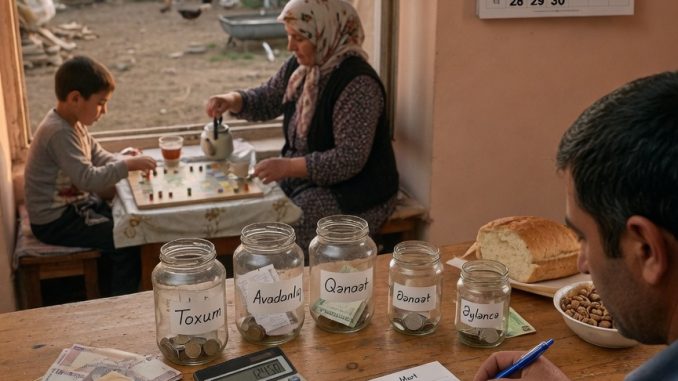
Fermerlər üçün maliyyə savadı: büdcə planlaması və məsuliyyətli əyləncə
Introduction: Financial know-how helps farmers make clearer choices about resources, work planning, and household needs. This article explains practical approaches to simple budget planning and offers guidance on keeping entertainment and leisure from undermining farm stability. The aim is to present straightforward steps that can be adapted to different farm sizes and family situations.
Budget planning basics
Begin by separating personal and farm finances. A clear distinction reduces confusion when assessing cash flow, understanding costs, and planning for seasonal changes.
Focus on recording income sources and regular expenditures. Written records, even simple lists, create a reliable picture of where money comes from and where it goes.
Prioritize essential costs first. Essential costs typically include inputs needed for production, basic household needs, and obligations that affect farm operations.
Practical steps for farm budgeting
Create a basic monthly or seasonal plan that reflects farming cycles. Use the plan to list predictable costs and to note periods when income may vary.
Group expenses into categories such as operational, maintenance, household, and savings or contingency. Categorization helps identify potential reductions and opportunities to reallocate funds.
Establish a simple routine for updating the budget. Regular reviews, even brief ones, help to catch changes early and support more informed decisions about purchases or investments.
Include a contingency buffer in the plan. A modest reserve can reduce stress when unexpected repair or replacement needs arise, and can prevent emergency measures that harm long-term stability.
Responsible entertainment and risk management
Entertainment and leisure are part of a healthy life, but they should be balanced with farm responsibilities and financial plans. Consider allocating a modest, planned portion of funds for leisure to avoid unplanned spending.
Avoid using essential or operational funds for discretionary activities. Keeping leisure spending separate from farm operating funds reduces the chance that recreation will disrupt production or household needs.
Plan social activities with cost awareness. Small changes in how a gathering is organized can keep it enjoyable while lowering expense pressure on the household budget.
When leisure involves risks to assets or income, assess those risks beforehand. Simple precautions and awareness can limit potential negative effects on farm work and finances.
Tools and habits to support financial literacy
Use simple tools that fit daily routines, such as notebooks, calendars, or basic spreadsheets. The best tool is the one that will be used consistently.
Adopt short, regular financial check-ins. A weekly or monthly review habit helps keep the budget relevant and makes planning less burdensome.
Engage household members in basic financial routines. Shared understanding of priorities and constraints supports cooperative decision-making and reduces surprises.