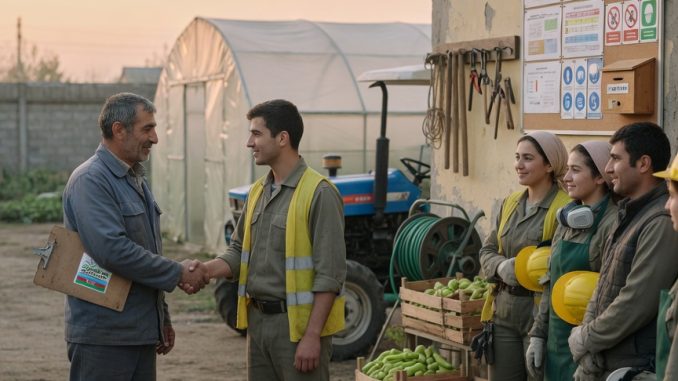
Fermer işəgötürənlər üçün effektiv kadr seçimi və işçi motivasiyası
Introduction: Managing human resources on a farm requires clear priorities and practical steps. Small and medium agricultural employers need reliable procedures for selecting staff and for maintaining motivation in daily rural work. This article outlines a structured approach to recruitment and motivation suitable for farm settings.
Selection and recruitment: clarity and fit
Start with a clear description of the role. Define essential tasks, working conditions, and the skills required for safe and efficient performance. A concise job description helps both the employer and candidates understand expectations and reduces mismatches during hiring.
Use competency-focused screening. Prioritise practical experience, demonstrable skills, and attitudes that match farm realities. Practical demonstrations or short trial shifts can reveal a candidate’s capability more reliably than a paper CV alone.
Assess attitude and reliability. Punctuality, willingness to learn, and respect for safety rules are especially important in agricultural work. Structured interviews with the same set of questions for all candidates help compare responses and make fairer decisions.
Onboarding and early retention
Provide structured onboarding. Introduce new hires to daily routines, safety procedures, and key contacts on the farm. Early clarity about tasks and lines of communication reduces errors and builds confidence.
Supervise with supportive feedback. Short, regular check-ins in the first weeks allow the employer to correct problems early and to recognise good work. Feedback that is specific and timely supports learning and improves retention.
Document expectations. A simple written note or worksheet outlining duties, shifts, and basic rules helps prevent misunderstandings. Clear, written terms support both parties and create a basis for fair treatment.
Motivation strategies adapted to farm work
Link tasks to purpose. Explain how daily duties contribute to overall farm goals. When workers see the connection between their efforts and farm outcomes, motivation tends to be steadier.
Offer skill development opportunities. Practical, on-the-job training builds competence and increases worker commitment. Training can be organised around routine tasks and new techniques that improve productivity and safety.
Recognise performance. Regular, genuine acknowledgement of effort reinforces desired behaviours. Recognition does not require complex rewards; timely praise and simple acknowledgements of reliable work are effective and appropriate for small teams.
Create predictable conditions. Consistent schedules, transparent rules on wages and time off, and predictable communication reduce stress. Predictability supports a stable workforce, which is valuable for seasonal and continuous operations alike.
Leadership and farm culture
Lead by example. Employers who follow safety rules, show respect for workers, and communicate calmly set a tone that encourages the same behaviour among staff. Practical leadership builds trust and enhances cooperation.
Foster teamwork. Small agricultural teams benefit from clear task distribution and mutual support. Encourage peer learning and simple routines for covering absences so operations remain uninterrupted.
Address conflicts promptly and fairly. Open, calm conversations that focus on facts and solutions prevent escalation. A fair approach to disagreements helps maintain morale and long-term cooperation.
Conclusion
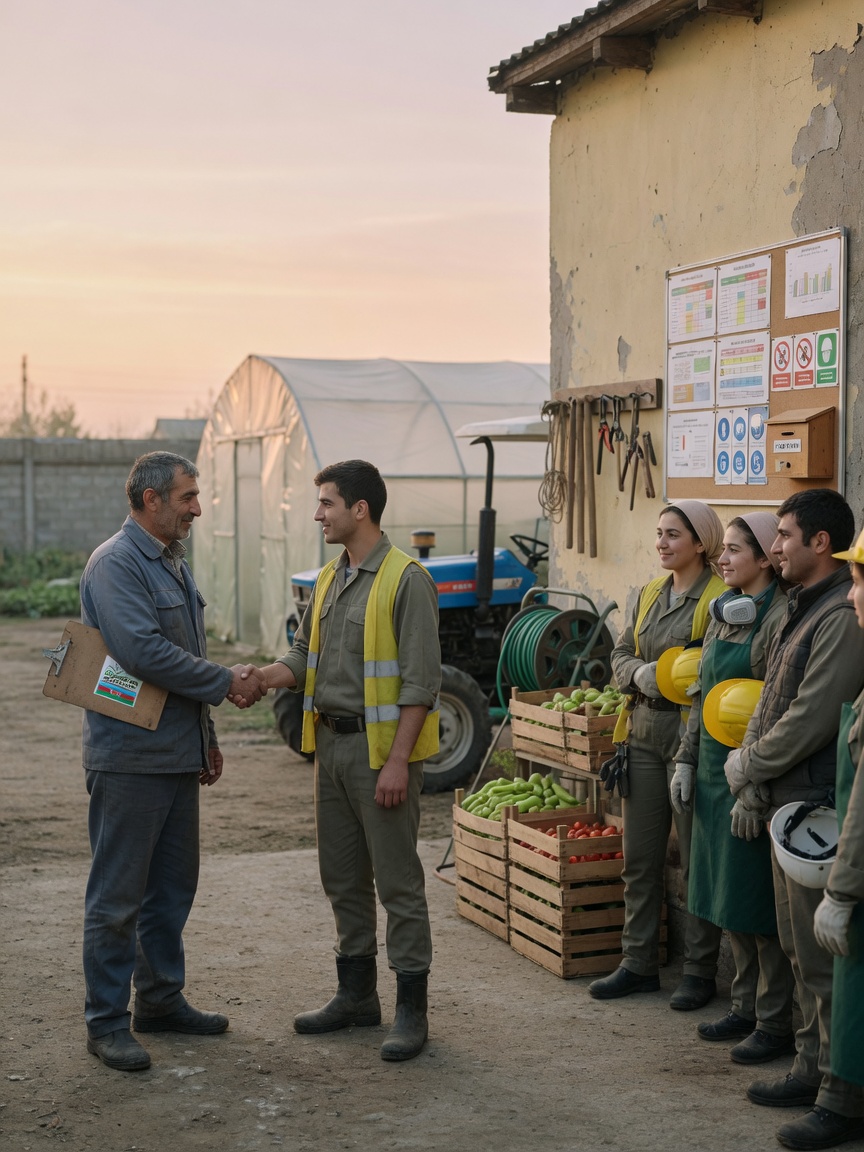
Effective personnel selection and motivation on farms rest on clarity, practical assessment, structured onboarding, and consistent leadership. Simple measures such as clear job descriptions, competency-based selection, practical training, and regular feedback create a reliable workforce. Attention to predictable conditions and fair treatment supports both productivity and employee well-being. Implementing these practical steps helps farm employers build a stable, motivated team that can handle the demands of agricultural work.