Aqrar sektorda ən tələb olunan peşələr və necə hazırlanmaq olar
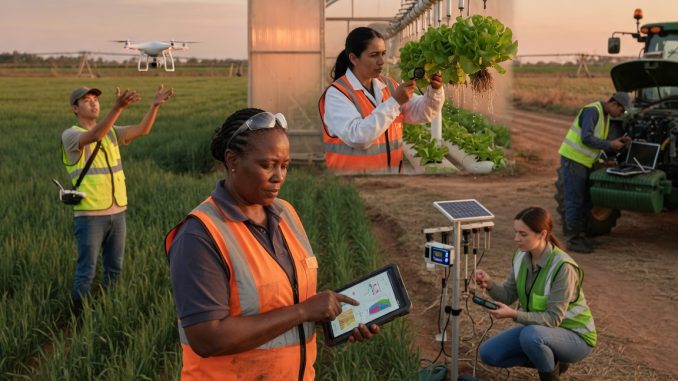
Introduction: The agricultural sector offers a wide range of professions that support food production, farm management, and rural livelihoods. Demand in the sector often focuses on roles that combine practical skills, technical knowledge, and the ability to work with machinery or living systems. This article outlines commonly encountered roles and gives practical guidance on how to prepare for them through education, hands-on training, and continuous skill development.
Common in-demand roles in agriculture
Agronomy and crop specialists are often central to productive farming. These professionals work on crop selection, soil management, and cultivation practices to improve yields and maintain soil health. Their work is practical and knowledge-driven, requiring familiarity with plant biology and field techniques.
Livestock and animal husbandry roles focus on the care, breeding, and management of farm animals. These positions require a solid understanding of animal health, nutrition, and welfare practices. Workers in this area often combine routine care tasks with monitoring and record-keeping.
Agricultural technicians and field operators support day-to-day operations on farms. They handle equipment maintenance, monitoring of production processes, and data collection. These roles frequently require practical technical skills and the ability to follow protocols for planting, harvesting, or animal care.
Machinery operators and maintenance specialists are important where mechanisation is present. Operating tractors, harvesters, and other equipment safely and efficiently is a skill learned through supervised practice. Maintenance knowledge helps reduce downtime and prolong the life of machines.
Agribusiness and farm management roles bridge field operations and business needs. These positions involve planning, budgeting, procurement, and coordination of labor. Effective communication and basic financial literacy help managers make practical decisions for farm sustainability.
How to prepare: education and practical pathways
Formal education helps build foundational knowledge. Agricultural colleges, vocational schools, and short technical courses provide structured learning in subjects such as crop science, animal husbandry, and agricultural machinery. Coursework often introduces basic theory and practical techniques useful in the field.
Vocational training and apprenticeships give hands-on experience. Working alongside experienced practitioners allows newcomers to learn safe work habits, equipment operation, and routine procedures. Practical training is essential to turn theoretical knowledge into reliable daily practice.
On-the-job practice and internships are valuable for gaining real-world exposure. Even short placements on farms or in agribusiness firms help learners observe seasonal cycles and operational workflows. Repeated practice builds confidence and competence in routine tasks.
Developing specific technical skills improves employability. These include safe machinery operation, basic maintenance, crop monitoring, and animal care routines. Where available, short certifications or training modules in equipment safety, first aid for livestock, or quality control procedures add credibility to a candidate’s profile.
Complementary skills and continuous learning
Digital literacy is increasingly relevant. Basic skills in using a smartphone or simple data collection tools help with monitoring and reporting. Familiarity with digital resources and communication tools supports coordination and access to up-to-date practices.
Financial awareness supports better decision-making. Understanding simple budgeting, record keeping, and cost management helps those in supervisory or management roles maintain operational sustainability. Even basic financial literacy enhances the ability to plan for seasonal changes and input costs.
Soft skills, such as teamwork, problem-solving, and time management, are important in daily operations. Agriculture often involves coordinated tasks and seasonal pressures, where clear communication and adaptive thinking improve productivity and workplace safety.
Continuous learning through short courses, peer networks, and practical workshops keeps skills current. Engaging with local training providers and learning from experienced colleagues supports long-term professional growth.
Conclusion
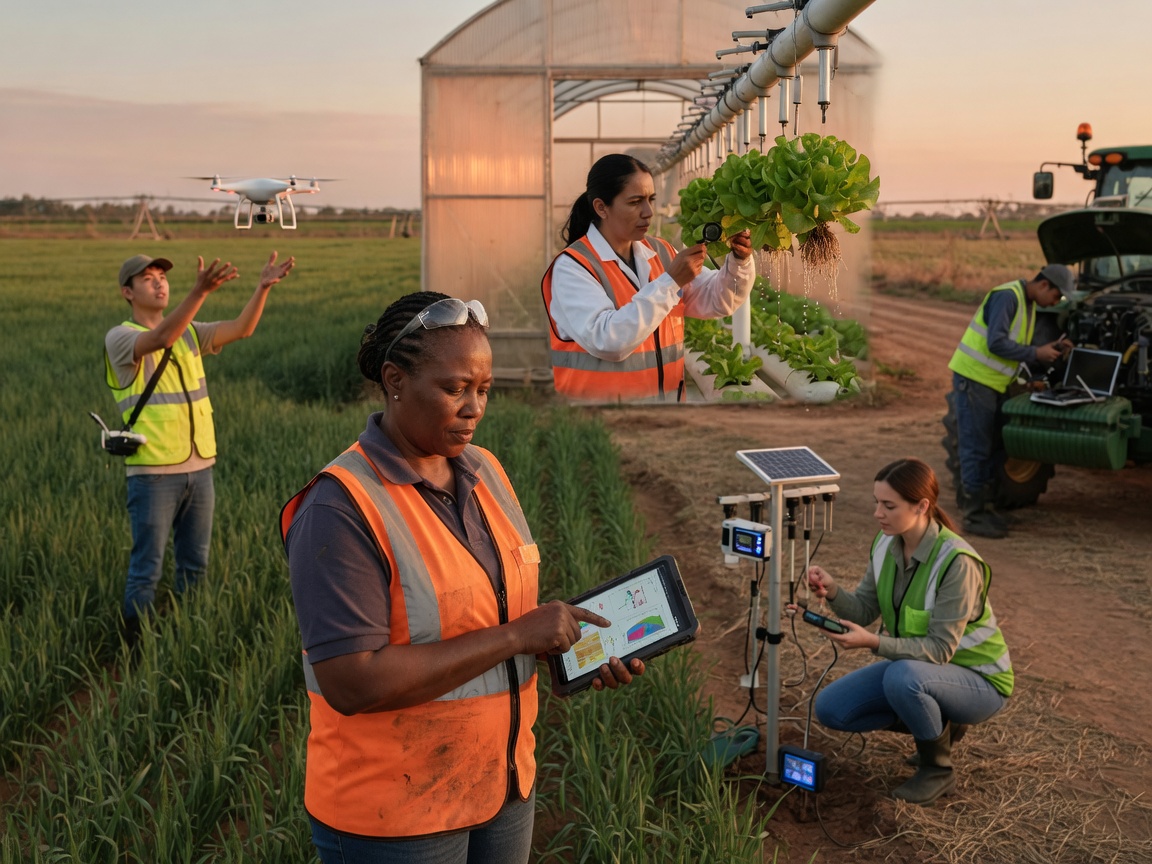
The agricultural sector values a mix of practical skills, technical knowledge, and adaptability. Commonly sought roles include crop specialists, livestock technicians, machinery operators, and agribusiness managers. Preparation can follow multiple paths: formal education for foundational knowledge, vocational training and apprenticeships for hands-on experience, and ongoing skills development for digital and financial literacy. Practical experience combined with targeted learning builds a reliable foundation for a career in agriculture.